

Complete Guide to Commercial Printing
The difference between a promotional item that looks premium after a year of daily use and one that looks worn within weeks almost always comes down to one decision made before the order is placed: the printing method. Yet printing technique is often the least-discussed part of a promotional products order, treated as a production detail rather than a strategic choice.
This guide walks through the commercial printing methods most relevant to promotional products and corporate branding, explains how each works, and gives a practical framework for choosing between them.
What Is Commercial Printing?
Commercial printing covers the range of industrial techniques used to apply a design, logo, or message onto a physical product or material — as opposed to standard desktop or office printing. For promotional products specifically, this means transferring a brand's logo onto surfaces as varied as metal, plastic, fabric, glass, and paper, each of which behaves differently under different printing processes.
Choosing the right method is not just an aesthetic decision. It affects durability, cost per unit, minimum order quantities, and how the finished product actually looks and feels — all of which shape how the recipient perceives the brand behind it.
Main Commercial Printing Methods
UV Printing
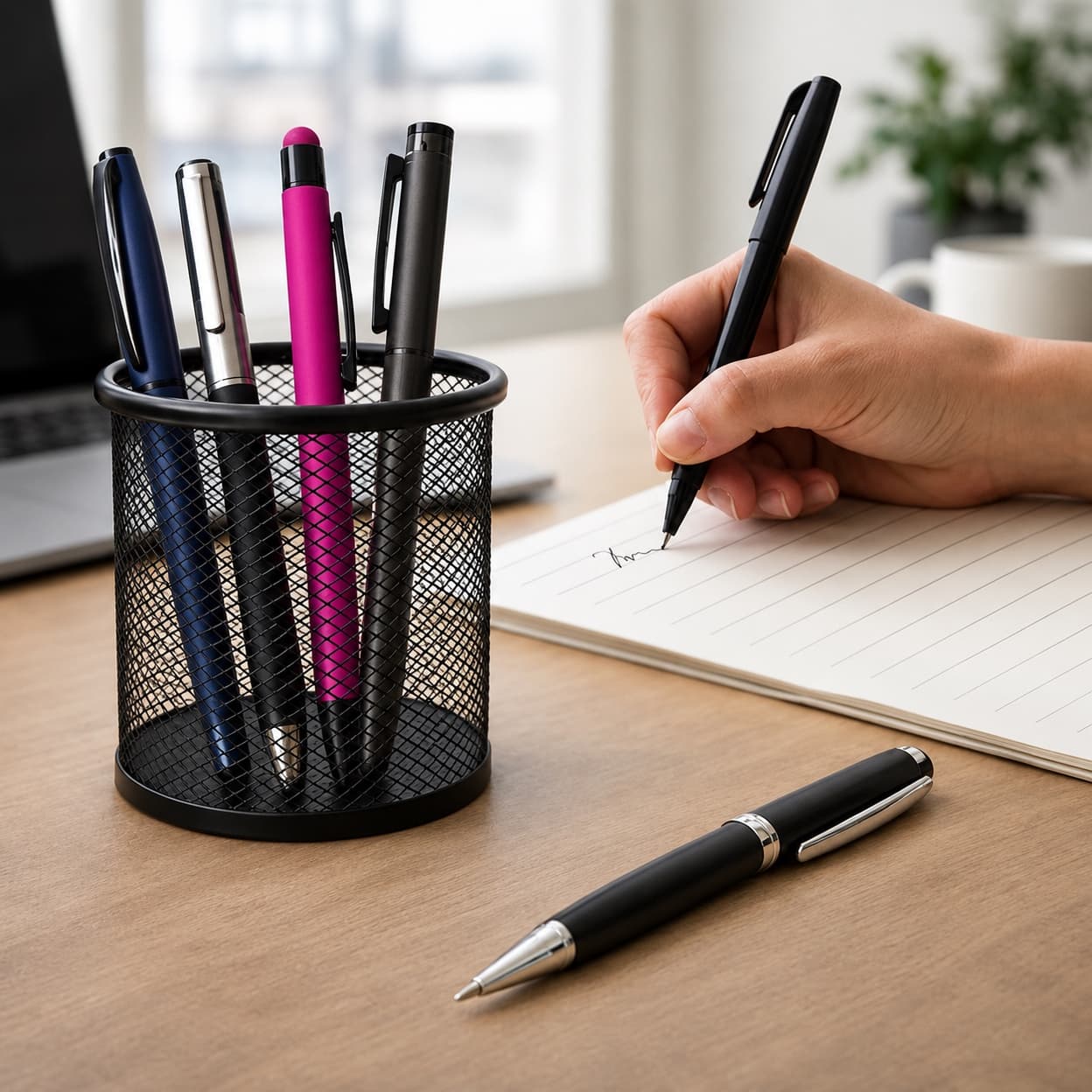
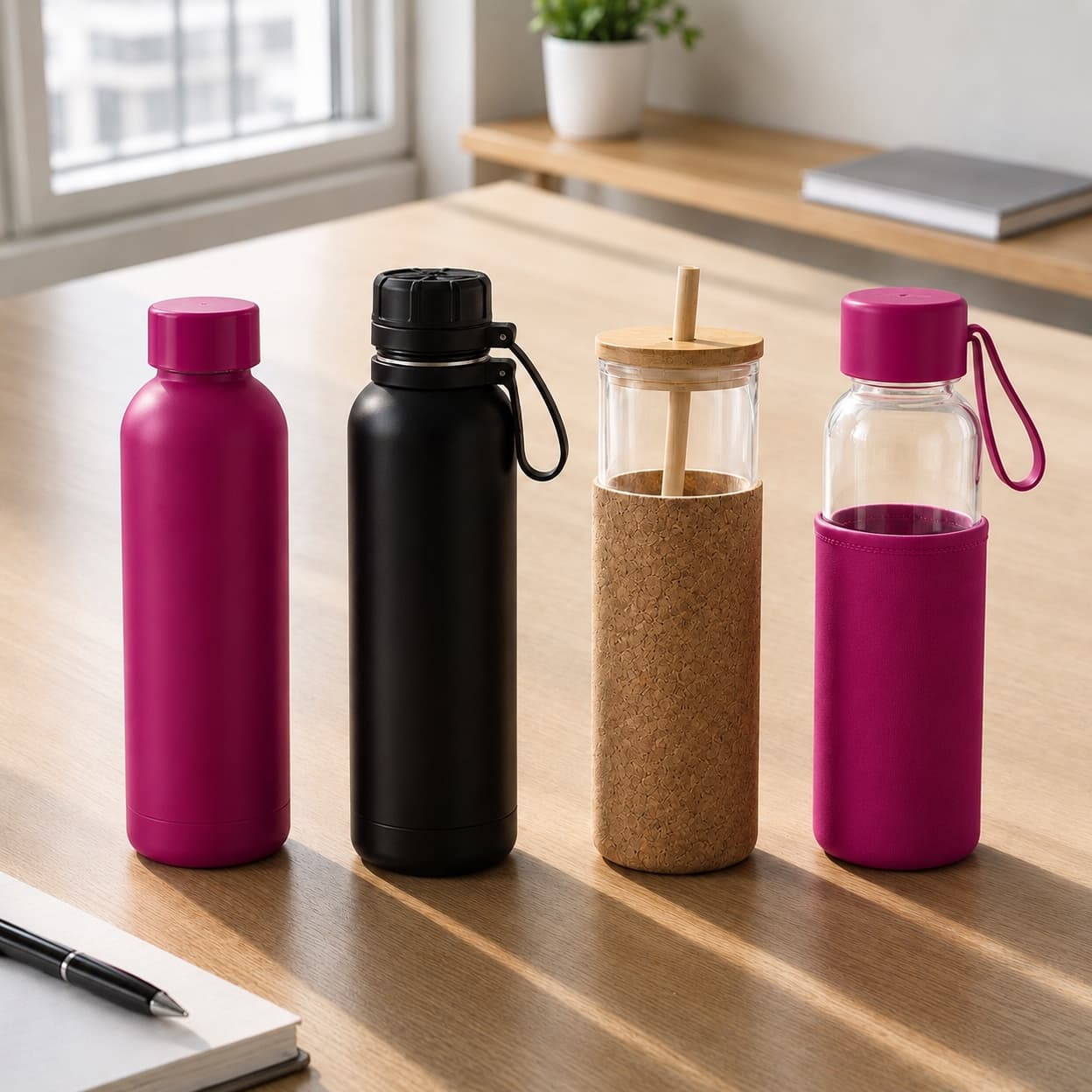
UV printing cures ink instantly using ultraviolet light as it's applied, allowing for vivid, durable color directly onto a wide range of surfaces — including curved and uneven ones like pens and bottles — without the ink soaking in or smudging. It is well suited to detailed, multi-color logos on rigid materials.
Laser Marking / Laser Engraving
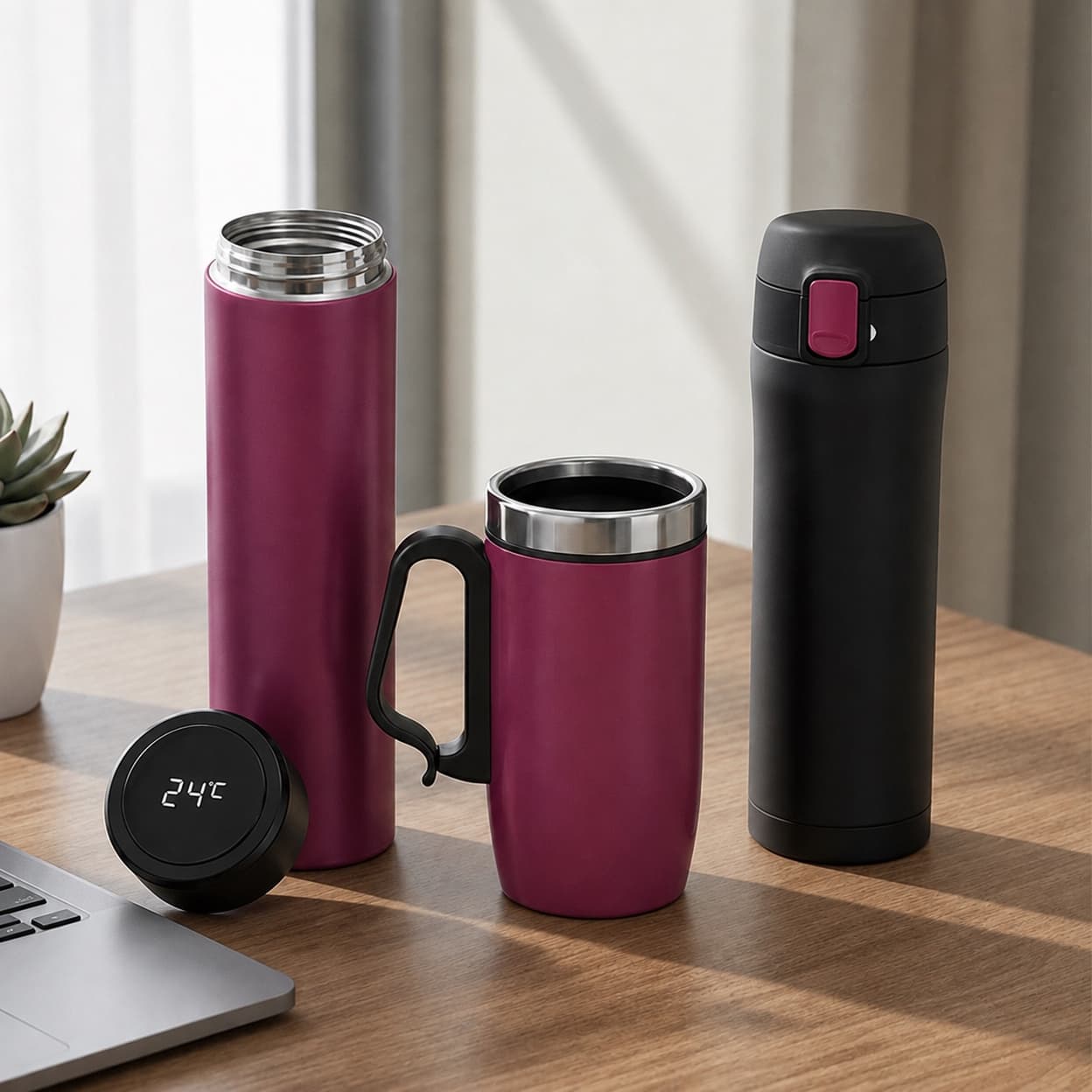
Rather than adding ink, laser marking uses a focused laser to etch or discolor the material's surface directly, creating a permanent, scratch-resistant mark. This is the preferred method for metal pens, drinkware, and premium items where longevity matters more than color variety — laser marks typically don't fade, peel, or wash off.
Screen Printing
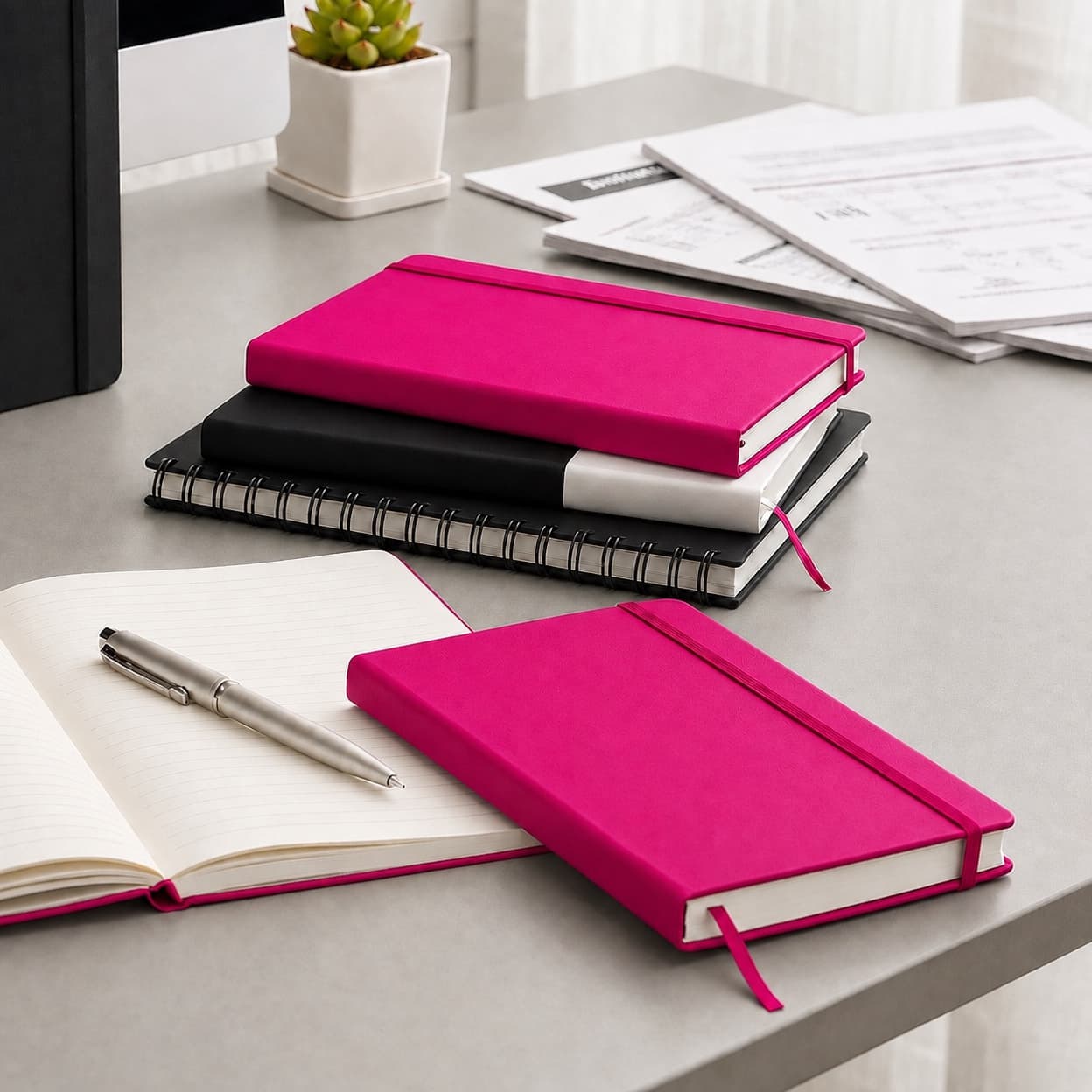
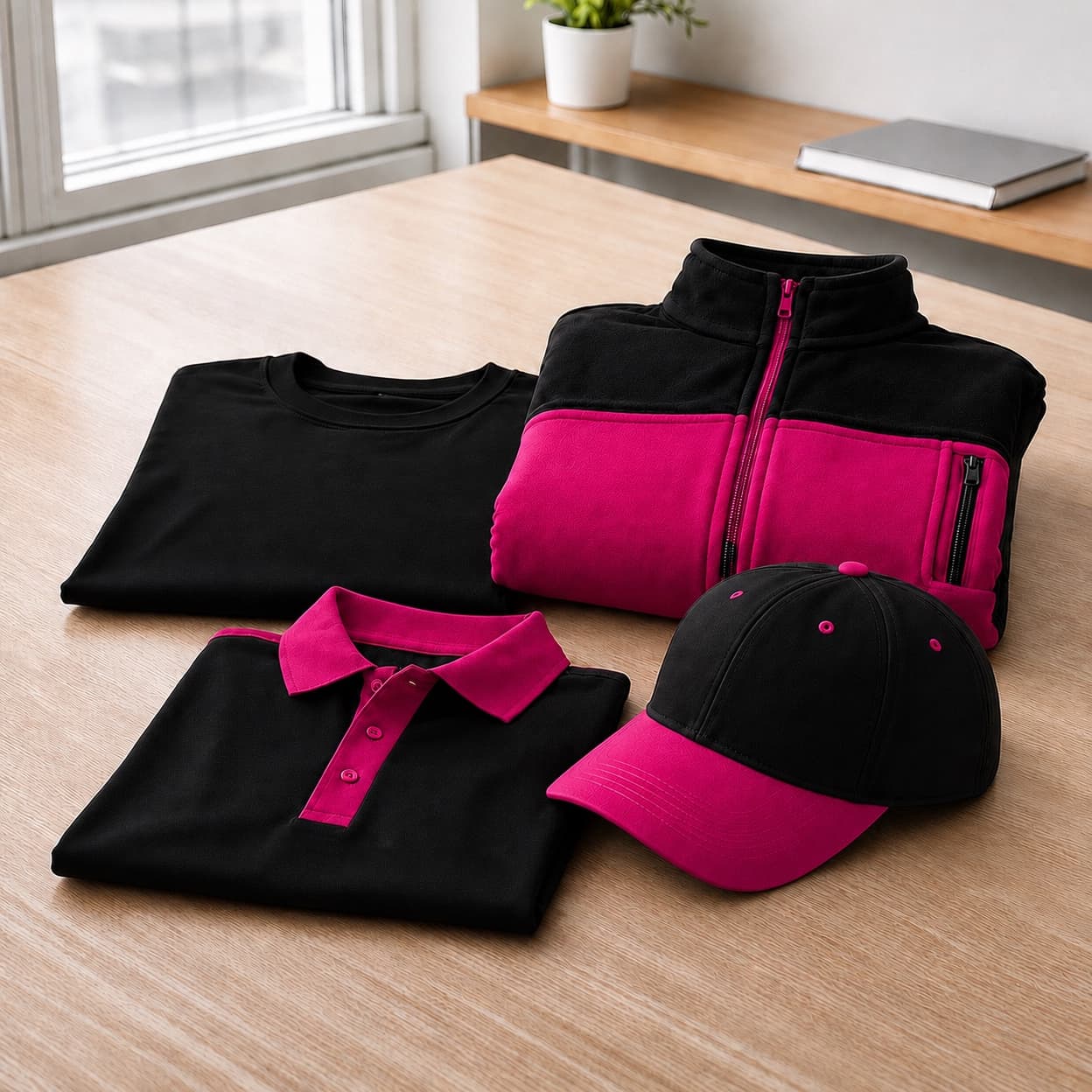
One of the oldest and most cost-effective methods for large runs, screen printing pushes ink through a fine mesh stencil onto the surface, layer by layer for each color. It performs best on flat or gently curved surfaces like bags, apparel, and notebooks, and becomes more economical as order volume increases, since the main cost is the stencil setup rather than the per-unit print.
DTF (Direct-to-Film) Printing
DTF printing prints a design onto a special film, then transfers it onto the product using heat and pressure. It handles complex, full-color, photographic-quality designs well and works across a broader range of fabrics than traditional screen printing, making it a strong fit for smaller batches of textile items that need detailed artwork.
Transfer Printing
Similar in concept to DTF but typically used for simpler, pre-printed transfer designs applied via heat press, transfer printing is fast and cost-effective for small-to-medium runs, particularly on textiles and some hard-surface items.
Pad Printing
Pad printing uses a soft silicone pad to lift ink from an etched plate and stamp it onto an irregular or curved surface — a common method for small items like pens, USB drives, and other compact promotional products where screen printing isn't practical.
Offset vs. Digital Printing (Paper Products)
For paper-based items like notebooks, packaging inserts, and printed materials, the choice is typically between offset printing (higher upfront setup cost, but the lowest per-unit cost at high volumes, with excellent color consistency) and digital printing (no plate setup, cost-effective for small runs and variable data, but a higher per-unit cost as volume increases).
Comparing Printing Methods
| Method | Best For | Durability | Typical Volume Fit |
|---|---|---|---|
| UV Printing | Curved plastic/metal items, multi-color logos | High | Small to large |
| Laser Marking | Metal pens, premium drinkware | Very High | Small to large |
| Screen Printing | Bags, apparel, notebooks | High | Medium to large |
| DTF Printing | Detailed, full-color textile designs | High | Small to medium |
| Transfer Printing | Simple textile designs, quick turnaround | Medium | Small to medium |
| Pad Printing | Small, irregular items (pens, USB drives) | High | Small to large |
| Offset Printing | Paper products, high-volume print runs | High | Large |
| Digital Printing | Paper products, short runs, variable data | Medium-High | Small |
A Practical Example
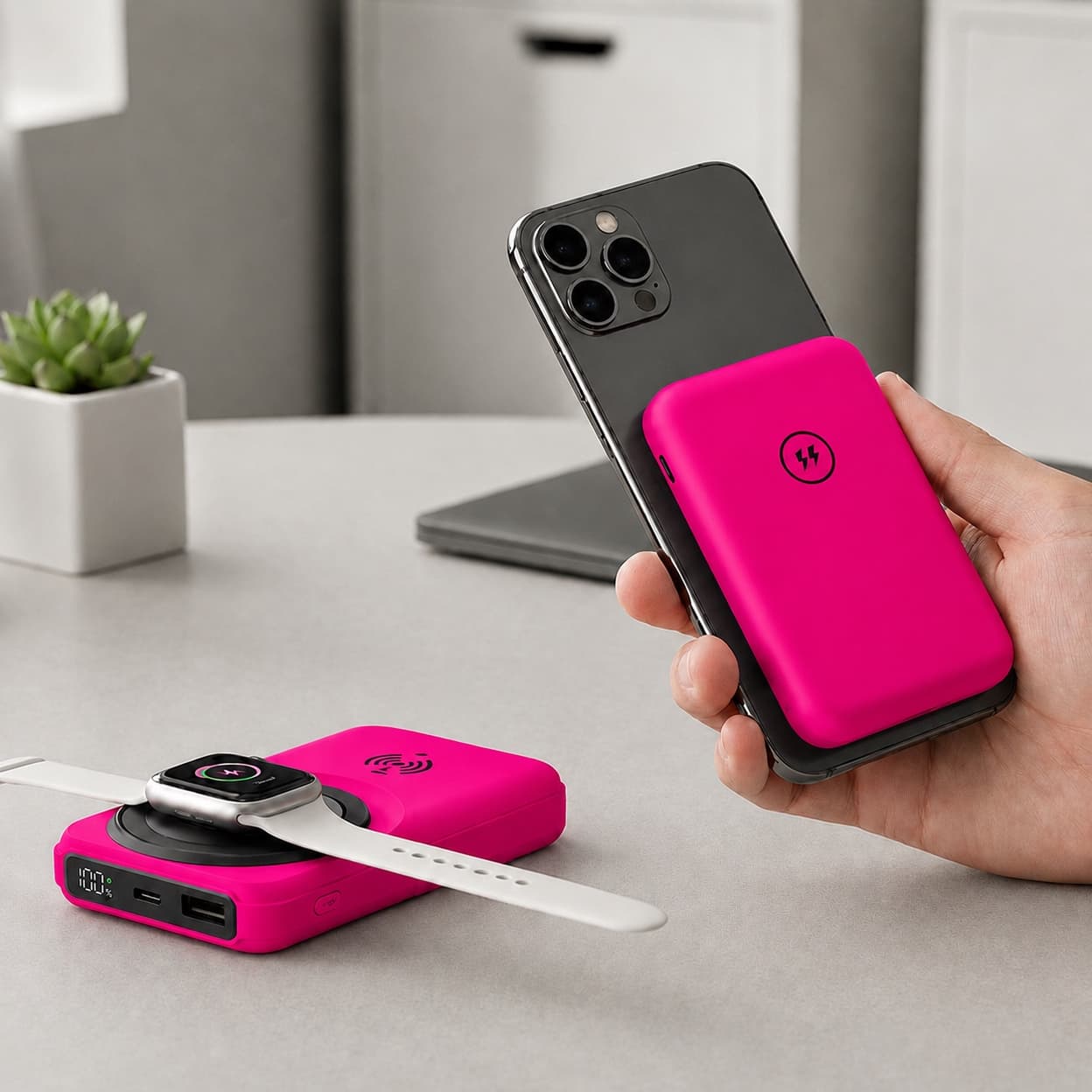
A technology company preparing 2,000 branded power banks for a product launch, alongside 300 premium engraved pens for VIP attendees, would typically use two different methods in the same order: UV printing for the power banks (durable, vivid color on a plastic/metal surface, cost-effective at that volume) and laser marking for the VIP pens (permanent, premium finish appropriate for a smaller, higher-value batch). Ordering both under a single print method would likely compromise either the cost efficiency of the bulk item or the premium feel of the VIP piece.
Choosing the Right Method — Quick Checklist
- [ ] What is the base material (metal, plastic, fabric, paper, glass)?
- [ ] How many colors does the logo/design require?
- [ ] Is the surface flat, curved, or irregular?
- [ ] What order volume are you working with?
- [ ] How important is long-term durability versus one-time visual impact?
- [ ] What is the turnaround time available before your event or campaign date?
In Summary
Printing method is not a back-end production detail — it directly shapes how a promotional product looks, feels, and holds up over the months or years a recipient keeps it. Matching the right technique to the material, order volume, and durability needs protects both the budget and the brand impression the item is meant to create.
Not sure which method fits your next order? Explore Pen Promo's Printing Products category or request a quote — our production team can recommend the right method based on your product mix and volume.
Need Help Choosing the Right Promotional Product?
Get a free, no-obligation quote from our team.
Frequently Asked Questions
Laser marking and laser engraving generally offer the best long-term durability, since the mark is etched into the material itself rather than applied on top of it, so it can't peel or fade the way surface-applied inks eventually can.
No. UV printing refers to how the ink is cured (instantly, with ultraviolet light) and can be used on a wide range of product surfaces, while digital printing typically refers to paper-based commercial printing without plates. They're different technologies serving different materials.
For small batches, digital printing (paper items), transfer printing (textiles), or pad printing (small hard-surface items) tend to be more cost-effective than methods with high setup costs like screen printing or offset printing, which need volume to justify the setup.
Yes — and for mixed-product orders, it's often the right approach, as shown in the example above. Pen Promo's in-house production capability supports UV printing, laser marking, DTF printing, and transfer printing under one workflow.